Ever stared at your dashboard wondering if it’s time to swap that flickering bulb, or scrolled endlessly for the perfect used ride that won’t break the bank? If you’re nodding, you’ve probably bumped into Auto Trader or AutoZone at some point. These aren’t just names on a storefront or a screen—they’re lifelines for anyone who loves the open road but hates the surprises that come with it. Auto Trader is the UK’s go-to spot for hunting down dream cars online, while AutoZone is the American powerhouse stocking shelves with everything to keep your wheels turning. Born from humble print ads and grocery store sidelines, they’ve both evolved into digital dynamos and brick-and-mortar staples. In this no-nonsense rundown, we’ll unpack their stories, what they bring to the table, and the real-talk tips to make your next visit smoother than a fresh oil change. Grab a coffee; we’re hitting the gas on about 1,510 words of straight-up useful info.
The Backstory: From Paper to Pixels and Side Hustles to Storefronts
Let’s start with Auto Trader, the British icon that’s been matchmaking drivers and vehicles since the late ’70s. Picture Manchester in 1977: Gas prices are climbing, and a clever entrepreneur named John Hadley spots a gap. Cars are hot commodities, but ads in newspapers are clunky and pricey. He launches a weekly magazine crammed with classifieds—think black-and-white pages of Fords and Fiats for sale. It flies off the shelves, hitting a million copies by the ’90s. Dealers love the targeted reach; everyday folks dig the affordability. But the internet crashes the party in 1996 with autotrader.co.uk, turning static ads into searchable goldmines. No more flipping pages—just type “red Mini Cooper under £10k” and boom.
Fast-forward to the 2000s: Ownership shuffles hands like a hot potato. In 2007, a private equity crew buys it for £650 million, pumping cash into apps and mobile tech. By 2015, it’s floating on the London Stock Exchange as Auto Trader Group PLC, valued at billions. They’ve scooped up bits like Autorama for leasing and dipped toes into Ireland. Today, under CEO Nathan Coe (who stepped up in 2023 after years in the trenches), it’s a data-driven beast. They’ve partnered with the Office for National Statistics since 2022, feeding used-car prices into inflation stats—talk about real-world impact. Challenges? Sure, like the 2011 dealer revolt over ad fees jumping from £7 to £8.50, sparking petitions and threats of boycotts. But they smoothed it with bulk discounts, proving adaptability is key.
Now, shift gears to AutoZone, the Memphis marvel that’s all about fixes, not flips. It kicks off in 1979 when J.R. “Pitt” Hyde III, scion of a grocery dynasty, spins off an auto-parts arm from family biz Malone & Hyde. Why? Wal-Mart board chats in ’78 spark ideas for diversification. They rebrand from boring “Auto Shack” (after a trademark tussle with Radio Shack—settled in ’87) to snappy AutoZone. First store? Enid, Oklahoma, a dusty outpost stocked with belts, hoses, and batteries. Early days are scrappy: Focus on DIYers with free advice and loaner tools.
The ’90s boom with store sprawl—hitting 2,000 locations by 2000—and a Mexico data center (DataZone) for back-office magic. Mergers fuel growth: They buy discount chains, expand to Brazil in 2018. CEO Bill Rhodes (helming since 2005) steers through recessions with share buybacks and e-commerce pushes. In 2023, they rename their Shanghai office the Business and Technology Store Support Center for global sourcing. Fun fact: Their Z-net system, launched decades ago, still beams repair guides to counters. From one store to over 7,000, AutoZone’s mantra? “Get in the zone”—empowering backyard mechanics everywhere.
Both outfits mirror the auto world’s shift: Trader from print to pixels, Zone from shelves to apps. They’ve dodged potholes like economic dips and tech disruptions, emerging leaner and meaner.
What They Pack: Services, Stock, and Smarts for Every Driver
Auto Trader isn’t hawking parts—it’s your virtual showroom for scoring wheels. Core gig? A marketplace buzzing with over 400,000 live ads monthly. Private sellers list for peanuts (£24.99 flat), dealers pay per vehicle to shine brighter. Search by make, model, mileage, or zip—filters galore for fuel type (petrol, diesel, EV), body style (hatchback to SUV), even color. Beyond basics, they’ve layered on Autorama for new-car leases, bundling insurance and finance quotes. Valuations? Plug in your reg plate for instant worth—spot-on, thanks to millions of data points.
Add-ons sweeten the pot: Vehicle checks via HPI for theft or finance flags (£19.99), warranty options, and AI-powered Deal Builder (rolled out to all dealers in July 2025) that crunches prices for fair deals. Videos? Their YouTube channel drops reviews, drag races, and guides—like pitting a Tesla against a hot hatch. For pros, tools track stock, forecast trends, and zap leads straight to inboxes. Revenue splits: 94% from ads, rest from extras like insurance tie-ins. It’s user-friendly magic: App notifications for price drops, 360° views, and chat features to haggle without awkward small talk.
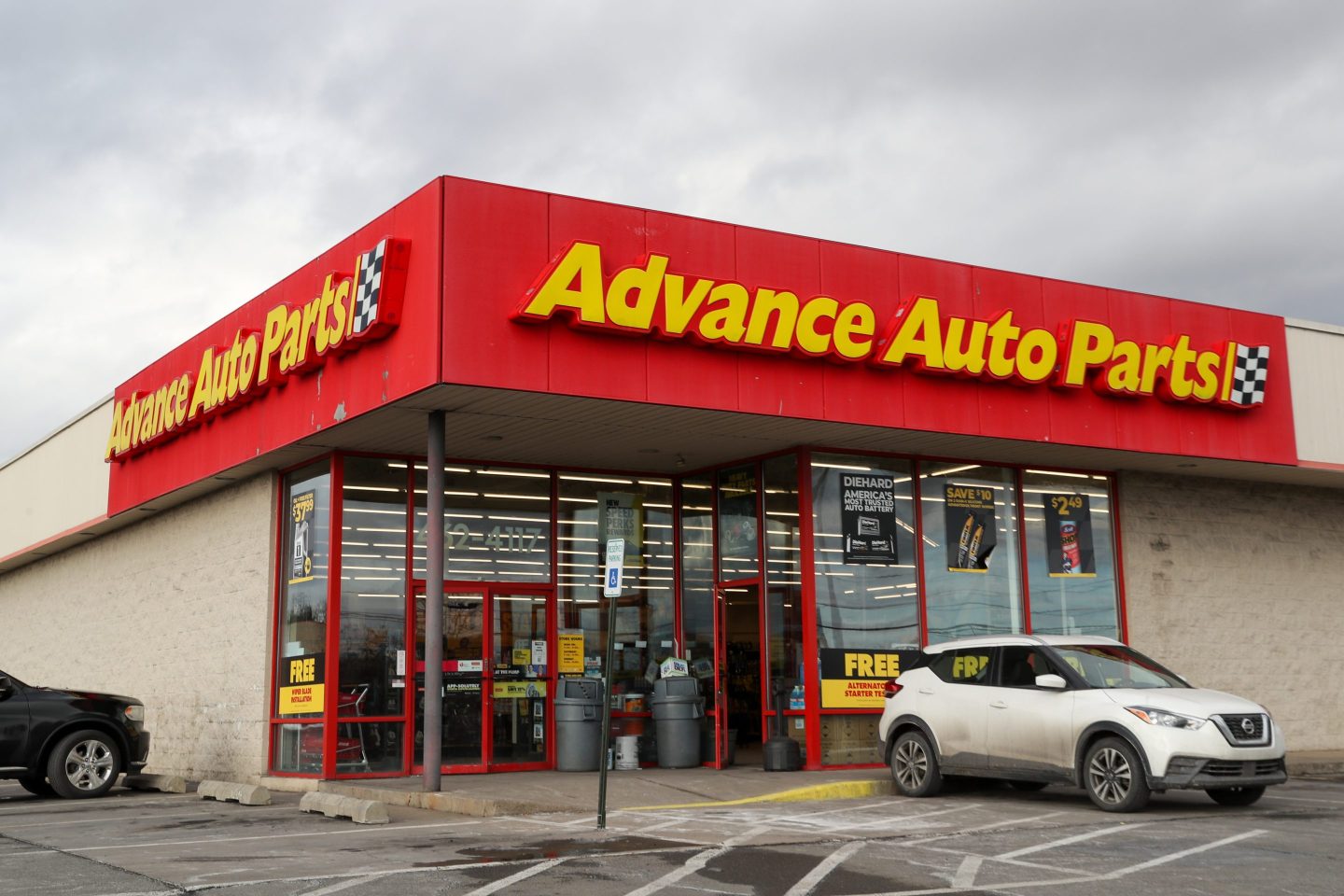
Flip to AutoZone, where the focus is fortifying your current ride. Each of their 7,140 spots (6,483 U.S., 813 Mexico, 136 Brazil as of February 2025) crams 20,000+ items: Hard parts like alternators, starters, and radiators (new or remanufactured for green cred), maintenance musts (oils, filters, wipers), and accessories from floor mats to hitches. Brands? Duralast house line (batteries that last years), plus Bosch, Valvoline, and Rain-X. No repairs here—they’re strictly retail, but free services rock: Battery tests, code scans for that pesky light, loaner tools (jacks to OBD readers), and even recycling for old fluids.
Digital side? Auto zone mirrors stores with vehicle-specific searches—enter your VIN for exact fits. ALLDATA software (sold via alldata.com) arms shops with repair manuals and diagnostics. Duralastparts.com dives deep on their branded gear. For fleets, commercial programs deliver bulk with credit terms. Eco angle: Pledging 15% cut in U.S. emissions by 2025 from 2019 levels, via efficient hubs and LED swaps. Prices? Sharp, with promos like buy-one-get-one on additives. Speed Perks-like loyalty? Their rewards rack up points for bucks off. Whether patching a pothole victim or prepping for winter, they’ve got the grit.
Mapping It Out: Where to Hunt, Shop, and Score
Auto Trader’s “locations” are your screen or app—no physical doors, just seamless access from London flats to Scottish highlands. Headquartered in Manchester (1 Tony Wilson Place), they power the UK’s 80% market share in online car ads. Ireland gets a slice via similar portals. Finding a ride? Zip code search pulls local gems, with maps and drive-time estimates. Dealers? 13,000+ strong, from independents to big chains like Arnold Clark. Pro tip: Weekends spike listings—hunt midweek for steals. Export? They nod to international buyers, but Brexit kinks mean extra VAT chats.
AutoZone’s footprint is boots-on-ground massive: Every state but Alaska, heavy in Sun Belt spots like Texas and Florida. Mexico’s 813 stores cluster in border towns and cities; Brazil’s 136 hug São Paulo and Rio. Use their locator for hours (most 7:30 a.m. to 9 p.m.), plus “hub” mega-stores with 50,000+ SKUs for same-day grabs. Online? Ship to door or reserve for pickup—free on $35+ orders. International? U.S.-centric, but expats in Mexico swear by the bilingual staff. Closures? Rare, but they’ve optimized post-pandemic. Both make it easy: Trader’s filters beat traffic jams; Zone’s loaners beat tool runs.
The Engine Room: Leadership, Ledgers, and Latest Twists
Auto Trader helm: CEO Nathan Coe, a 20-year vet pushing AI for smarter searches. CFO Jamie Damiano crunches numbers; board mixes retail vets and tech whizzes. FY25 (ending March 2025) shines: Revenue £601.1 million (up 5% from £571m), non-GAAP EPS 31.66p. Group revenue grew 12% in H2, fueled by 7% ad hikes and volume pops. Profit before tax? Up nicely, with £nil debt on their £200m facility. Shares? Hovering at 1,000p-ish, up 42% over five years despite a 14% dip post-results on broker tweaks. Dividends? Steady climbers. Outlook? FY26 revenue growth 8-10%, eyeing EV surges and U.S. trade pacts boosting new sales.
AutoZone’s brass: CEO Philip Daniele (since 2020), a supply-chain sharpie, with CFO Brian Campbell eyeing efficiencies. Board includes Rivian’s Claire Rauh McDonough (joined April 2025). FY25 (ending August 2025) delivers: Annual sales $18.9 billion (up 2.4%), Q4 same-store sales +5.1% (domestic +4.8%), EPS $48.71. TTM revenue $18.94B, quarterly hits like Q3’s $4.5B (up 5.4%). Share repurchases? $1.5B more authorized in 2025. Stock? Around $3,000/share, market cap $51B. Challenges: Modest Q1 domestic comps (+0.3%), but Mexico/Brazil shine (+10%). Vendor kudos at June 2025 summit highlight partnerships.
Both thrive on data: Trader’s inflation feeds, Zone’s ALLDATA diagnostics. Careers? Trader seeks digital natives; Zone hires counter pros ($15-25/hour) with tool perks.
Buzz on the Boulevard: Headlines, Hurdles, and Horizon
2025’s been a cruiser for both, but with speed bumps. Auto Trader’s FY results dazzled—record buyers/sellers amid “economic uncertainty” pushing older cars (average age 7.5 years). EV interest spiked post-July grants, per their probe. Deal Builder’s AI rollout? Dealers rave for pricing edge. Shares wobbled on downgrades but rebounded on robust used demand. Viral? Memes on “no affordable starters” echo their data—entry prices up 20%. Ahead: AI enhancements, maybe U.S. expansion whispers.
Auto Zone Q4 triumph (September 2025) beat whispers, with DIY boom and hub expansions (30+ new in 2025). Vendor summit crowned 18 partners; emissions pledge on track. Gripes? Supply snarls lingered, but Q3’s +5% comps soothed. Social chatter: Praise for free scans saving holidays, roasts on stockouts during storms. Future? EV parts ramp-up, more Brazil hubs by 2027.