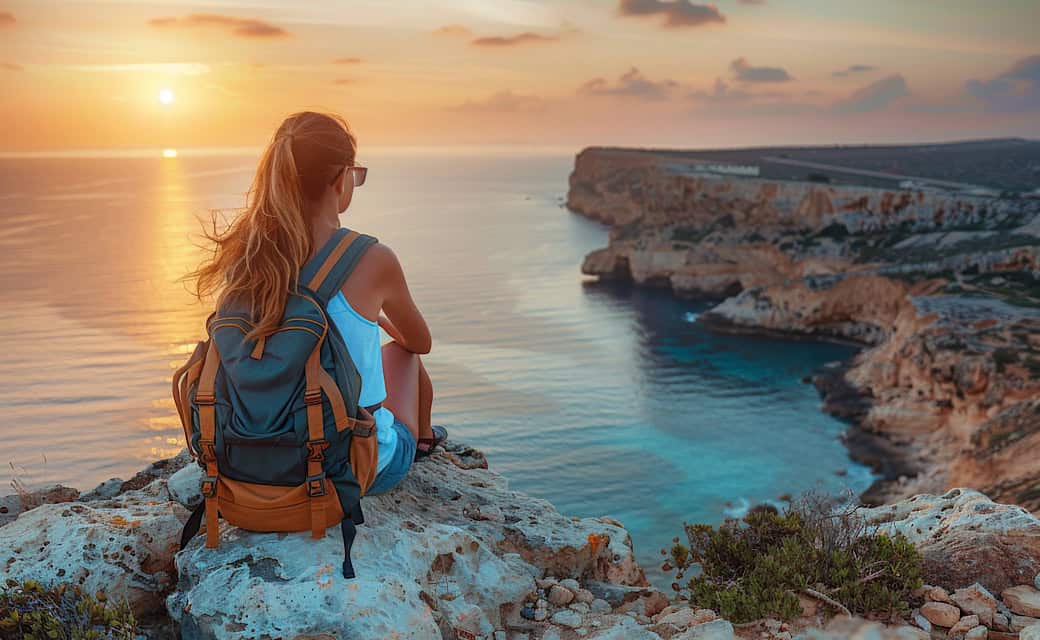
Traveling alone can be one of life’s most liberating and eye-opening experiences. It allows you to break free from routines, explore new cultures, and learn more about yourself than you ever imagined. However, solo travel comes with its own set of challenges and responsibilities — especially when it comes to safety and awareness. Whether you’re planning a short trip within your country or venturing abroad, being prepared and informed makes all the difference.
In this detailed guide, we’ll explore essential solo travel tips, highlight important travel warnings, and help you make your journey not only memorable but also safe.
1. The Beauty of Solo Travel
Solo travel isn’t just about sightseeing — it’s about self-discovery. When you’re on your own, you get to make every decision: where to go, what to eat, and how to spend your day. There’s no need to compromise or follow someone else’s pace. Many travelers say solo trips are deeply transformative, giving them confidence and a sense of independence that lasts a lifetime.
Some of the biggest advantages of solo travel include:
-
Flexibility – Change plans anytime without consulting anyone.
-
Personal growth – Learn to handle challenges alone and become more self-reliant.
-
Cultural immersion – Locals often approach solo travelers more easily, leading to authentic experiences.
-
Mindfulness – You notice more details and enjoy the present moment more fully.
But before you set off, it’s crucial to prepare properly.
2. Research Thoroughly Before You Go
The foundation of a safe solo trip is research. Knowing about your destination’s culture, local customs, and safety conditions will protect you from unwanted surprises. Check official travel websites or government advisories for travel warnings related to your destination.
Here’s what to research:
-
Local laws and cultural norms.
-
Safe and unsafe neighborhoods.
-
Weather conditions during your travel dates.
-
Political or civil unrest in the region.
-
Transportation options and their reliability.
For example, if your country’s foreign affairs department issues a travel warning for a particular region, it usually means the area may have ongoing conflicts, health concerns, or a high rate of crime. Ignoring these warnings can put your safety at risk.
3. Pack Smart and Light
One of the best solo travel tips is to travel light. Carrying too much luggage makes you an easy target for thieves and slows you down when moving between destinations. Choose a backpack or suitcase that’s easy to carry, and make sure it’s sturdy and lockable.
Essentials to pack:
-
Copies of important documents (passport, ID, visa, insurance).
-
A small first aid kit.
-
Universal power adapter.
-
Emergency contact list.
-
Lightweight clothes suitable for local weather.
-
A discreet money belt or pouch for cash and cards.
Keeping digital copies of your documents in your email or cloud storage is also a smart backup plan.
4. Choose Safe Accommodation
When booking accommodation, safety should be your top priority. Opt for reputable hotels, guesthouses, or hostels with verified reviews. If using rental platforms, read guest feedback carefully and look for properties in well-lit, populated areas.
Tips for choosing accommodation:
-
Check Google Maps to understand the location’s surroundings.
-
Avoid ground-floor rooms in isolated buildings.
-
Keep the hotel staff informed about your travel plans if you’re heading to remote areas.
-
Always lock your doors and windows.
5. Stay Connected with Loved Ones
While solo travel means independence, staying in touch with friends or family back home ensures someone knows your whereabouts. Before heading out each day, share your location or plans through messaging apps or Google Maps.
Consider setting up a check-in schedule, where you message your family daily or every few days. If they don’t hear from you at the agreed time, they can follow up to ensure you’re safe.
6. Stay Alert and Trust Your Instincts
No matter how friendly a destination seems, always keep your guard up. Be cautious with strangers who seem overly eager to help, and avoid sharing too many personal details. Your instincts are your best defense — if a situation feels wrong, walk away immediately.
Important solo traveler safety practices:
-
Avoid showing off expensive gadgets or jewelry.
-
Don’t accept food or drinks from strangers.
-
Learn a few local emergency phrases (like “Help!” or “Police!”).
-
Carry a whistle or small personal alarm in crowded areas.
7. Respect Local Customs and Laws
Every country has unique customs and traditions. What’s normal in one place may be considered rude or illegal in another. As a solo traveler, respecting these differences not only keeps you out of trouble but also helps you connect better with locals.
For instance:
-
Dress modestly in conservative regions.
-
Avoid taking photos of people without permission.
-
Follow local etiquette in temples, mosques, and religious sites.
-
Learn a few polite phrases in the local language — it shows respect and goodwill.
Ignoring local rules can sometimes lead to fines or even arrest, especially in countries with strict laws. Always double-check regulations before your trip.
8. Manage Your Money Wisely
Losing money or cards during a solo trip can cause serious stress. The best approach is to diversify your funds. Keep small amounts of cash in different pockets and store your debit or credit cards separately.
Financial safety tips:
-
Inform your bank before traveling abroad to avoid card blocking.
-
Use ATMs inside banks or shopping malls, not on the streets.
-
Avoid displaying large sums of cash.
-
Use digital wallets or travel cards for convenience and safety.
Always have a backup source of funds, like an emergency card hidden in your luggage.
9. Health and Medical Precautions
Health is a crucial part of travel safety. Before your trip, check if your destination requires any vaccinations or health certificates. Carry a basic medical kit with pain relievers, antiseptics, and any prescription medicines you use regularly.
Travel health tips:
-
Drink bottled or filtered water.
-
Be cautious with street food.
-
Wash your hands often or carry sanitizer.
-
Know the location of the nearest hospital or clinic.
If a travel warning mentions a disease outbreak or poor healthcare facilities, it’s better to postpone your visit or choose a different location.
10. Be Prepared for Emergencies
Even with perfect planning, emergencies can happen. Know the local emergency numbers, the location of your embassy, and the safest routes to get help.
In case of an emergency:
-
Stay calm and move to a safe place.
-
Contact local authorities first.
-
Inform your embassy if you lose your passport or encounter legal trouble.
-
Use social media or traveler forums for quick updates during natural disasters.
Having travel insurance that covers medical emergencies, theft, and trip cancellations is essential for all solo travelers.
11. Social Media Caution
Sharing your travel experiences online is tempting, but oversharing can be risky. Avoid posting your current location in real-time, especially if you’re alone. Post updates after leaving a place to prevent potential tracking or theft.
Disable location tags or make your profiles private while you travel. This small precaution can significantly reduce safety risks.
12. Learn Basic Self-Defense
While it’s unlikely you’ll face danger, knowing how to defend yourself can boost your confidence. Many cities offer short self-defense workshops tailored for travelers. Techniques like breaking free from a wrist grab or using common items as improvised weapons can be invaluable in emergencies.
13. Stay Flexible and Open-Minded
Part of the magic of solo travel lies in the unexpected. Delays, detours, and new discoveries are all part of the adventure. Being flexible with your itinerary allows you to enjoy spontaneous moments — whether it’s joining a local festival, making a new friend, or exploring a hidden beach.
However, always keep safety in mind when changing plans.
14. Common Travel Warnings to Watch For
Before booking your tickets, check official travel websites for travel warning or advisories. These usually include:
-
Political unrest or protests.
-
Terrorism risks.
-
Severe weather or natural disasters.
-
Disease outbreaks.
-
High crime rates or scams targeting tourists.
Heeding these warnings doesn’t mean avoiding travel altogether — it simply means being prepared, choosing safer routes, or adjusting plans as needed.
Final Thoughts
Solo travel is an incredible experience that teaches courage, adaptability, and self-love. By following these solo travel tips and staying aware of global travel warnings, you can make your journey unforgettable — for all the right reasons.