In today’s fast-changing world, business is not just about buying and selling goods. It is the foundation of every economy, the driver of innovation, and the reflection of human ambition. Every successful business starts with an idea — an idea that solves a problem or fulfills a need. From a small bakery serving local customers to a global technology company shaping the digital future, each business operates with the same goal: to create value and build trust.
Among the many tools that help businesses grow and connect, one small yet powerful instrument stands out — the business card. Despite living in a digital era filled with emails, LinkedIn profiles, and QR codes, business cards remain one of the most personal and effective ways to make a professional impression.
This article explores how businesses evolve, why personal identity matters, and how something as simple as a business card still carries immense value in building credibility and connections.
Understanding the Core of Business
A business is an organized effort to produce goods or services and deliver them to customers in exchange for profit or other forms of value. The concept is simple, but success in business depends on many elements: creativity, leadership, planning, marketing, and adaptability.
Every business, regardless of size, goes through similar stages — idea generation, planning, execution, growth, and maturity. For instance, a small entrepreneur might start by identifying a local market need, such as eco-friendly packaging. From there, they create a business model, secure funding, and start operations. Over time, as sales grow, they refine their strategies, expand their team, and explore new opportunities.
A well-run business doesn’t just aim for profit; it also strives to create value for customers, employees, and society. The most respected businesses balance profitability with responsibility — focusing on sustainability, ethics, and long-term relationships.
The Importance of Brand Identity in Business
In today’s competitive world, brand identity is everything. A brand isn’t just a logo or a tagline — it’s the emotional connection customers feel with a company. It defines how people perceive the business and what they expect from it.
For example, when someone hears “Apple,” they think of innovation, premium quality, and sleek design. When they hear “Nike,” they associate it with energy, motivation, and performance. Building such strong associations doesn’t happen overnight. It’s a result of consistent messaging, product excellence, and customer experience.
One of the simplest yet most powerful tools to communicate this identity is a business card. It’s a small piece of paper, but it represents everything about a brand — its professionalism, creativity, and personality.
The Evolution of Business Cards
Business cards have a long and interesting history. They first appeared in 15th-century China as “visiting cards” — used by the elite to announce their arrival. In Europe during the 17th century, “trade cards” were used by merchants to promote their goods and services.
By the 19th century, business cards had become an essential part of professional etiquette. If you met someone at a social or business event, exchanging business cards was a sign of respect and a way to continue communication afterward.
Today, even with smartphones, LinkedIn, and digital portfolios, business cards still hold a unique place. They are tangible, personal, and immediate. A handshake followed by the exchange of a well-designed card creates a moment that a digital interaction can’t replicate.
Why Business Cards Still Matter
Many believe that business cards are outdated. However, professionals around the world continue to use them — and for good reason.
-
First Impressions Count:
When you meet someone for the first time, a business card serves as your physical introduction. It’s small, but it reflects your identity and your company’s values. -
Tangible Connection:
A digital contact can be lost in an inbox or forgotten after an event. A business card, on the other hand, is physical — it can be placed in a wallet, pinned to a desk, or revisited later. -
Credibility and Trust:
Handing someone a professional business card immediately adds legitimacy. It signals that you are organized, prepared, and serious about your work. -
Brand Reinforcement:
A thoughtfully designed business card — with the right colors, typography, and logo — reinforces your brand identity. It helps people remember who you are and what you do. -
Networking Made Easy:
Whether you’re at a conference, trade show, or casual meetup, a business card is the simplest way to exchange information quickly without relying on internet connectivity or devices.
Elements of a Great Business Card
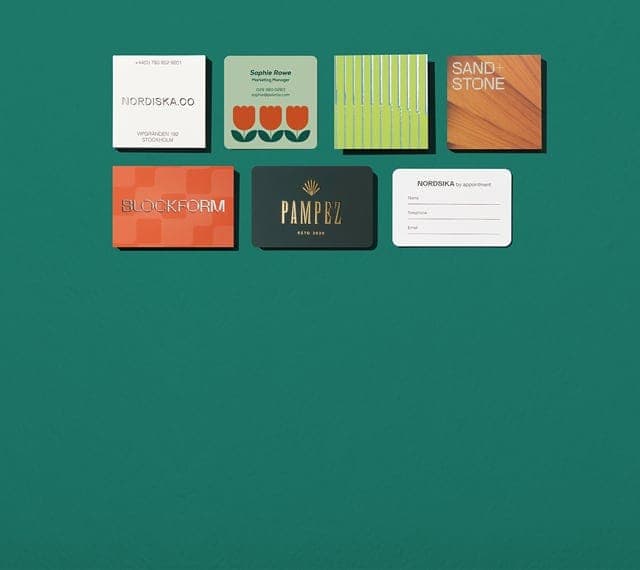
Creating an effective business card requires more than just printing your name and contact number. Every element should reflect professionalism and clarity.
-
Name and Title: Your name should be clear, with your role or position mentioned just below it.
-
Company Name and Logo: This builds recognition and reinforces brand identity.
-
Contact Information: Include your phone number, email, website, and business address if relevant.
-
Design and Material: Use colors and design elements that match your brand style. A good-quality material adds weight and prestige.
-
Minimalism: Avoid clutter. A clean design with enough white space always looks more elegant and readable.
-
Digital Enhancements: Many modern business cards now include QR codes that link to portfolios, websites, or LinkedIn profiles.
Remember — your business card is a silent ambassador for your brand. It should tell your story in a simple, elegant way.
The Digital Shift in Business and Branding
Modern businesses have embraced digital transformation. From online meetings to e-commerce platforms, everything now happens in virtual spaces. However, this doesn’t mean physical branding tools like business cards are losing relevance. Instead, they’re evolving.
For instance, some companies now create digital business cards — shareable via QR codes or NFC technology. These cards can store contact information, social links, and even promotional videos. Yet, many professionals still prefer physical cards because they symbolize genuine interaction.
The most successful entrepreneurs blend both approaches — they maintain an online presence and still carry printed cards for face-to-face networking. This balance between digital and physical identity defines the modern business landscape.
Small Businesses and the Power of Personal Touch
For small businesses, business cards can make an even bigger difference. When you run a local business — such as a salon, café, or consultancy — your reputation depends heavily on personal connections.
A well-designed business card helps you appear trustworthy and established. It gives customers a sense of permanence and professionalism. When they see a physical card, they know you are serious about your work.
Small business owners often use their cards as marketing tools too. By offering discounts, adding QR codes, or including short taglines, they turn simple cards into conversation starters and promotional assets.
Building Business Relationships Through Authenticity
At its core, business is about relationships — between people, not companies. The strongest partnerships and deals often come from personal trust. Whether you’re a freelancer or a corporate executive, how you present yourself matters.
A business card is part of that presentation. It may seem small, but it’s often the first piece of your brand someone will hold. It’s not just a card — it’s a promise of reliability and professionalism.
Sustainability and Modern Business Cards
With growing awareness about the environment, many companies are switching to eco-friendly business cards. Recycled paper, soy-based inks, and minimalist designs help reduce waste while maintaining style.
Some businesses even use alternative materials like bamboo, cork, or metal for a premium, sustainable touch. This not only stands out visually but also aligns with modern consumers’ eco-conscious values.
Such innovations show that even traditional tools like business cards can evolve responsibly while keeping their core purpose intact — connecting people.
Conclusion
The essence of business lies in connection, credibility, and communication. Every product, service, or partnership begins with a simple interaction — a handshake, a conversation, or an exchange of business cards.
Even in a world driven by technology, business cards continue to play an irreplaceable role. They bridge the gap between physical and digital, reminding us that behind every brand, there’s a human story.