The Roots: How Advance Auto Parts Started from Scratch
Picture this: It’s 1932, bread lines are a thing, and Arthur E. Taubman, a sharp-eyed entrepreneur from Virginia, spots an opportunity. He buys up two tiny stores in Roanoke from the folks at Pep Boys—yeah, those same guys with the cartoonish logo. One more spot pops up in Lynchburg, and just like that, Advance Stores Co. is born. Back then, it wasn’t all about spark plugs and fan belts. Taubman stocked everything from hardware to toys, basically whatever folks needed to scrape by. But cars? They were the future, and he leaned into it hard.
Fast-forward through the war years, when rubber and metal were rationed, and Advance pivoted to whatever parts they could scrounge. By the 1950s, the boom in American suburbia meant more families with shiny new Fords and Chevys, and Advance was right there, expanding store by store. Arthur’s son, Joe Taubman, took the reins in the ’60s, pushing for bigger warehouses and better inventory. They weren’t just selling parts; they were building relationships with neighborhood garages.
The real game-changer hit in the 1970s and ’80s. Advance went public on the stock market in 1972, which pumped cash into aggressive growth. They snapped up smaller chains like CarParts USA and started painting their stores that unmistakable blue and orange. By the 1990s, under CEO Don Stern, they were experimenting with online ordering—pretty forward-thinking before Amazon made it cool. Then came the mergers: In 2013, they gobbled up General Parts International, bringing in the Carquest brand and Worldpac for international flair. A year later, the big one—merging with AutoZone rival Pep Boys for $9.1 billion, though regulatory headaches forced a split later.
Today, Advance isn’t just surviving; it’s adapting. They’ve weathered recessions, supply chain nightmares from the pandemic, and even a rough patch in 2024 that led to some tough store closures. But more on that later. What started as a scrappy family outfit in Virginia now touches lives from coast to coast, proving that sometimes the best businesses are the ones that stick around for the long haul.
What They Offer: Parts, Tools, and Tricks to Keep Your Ride Happy
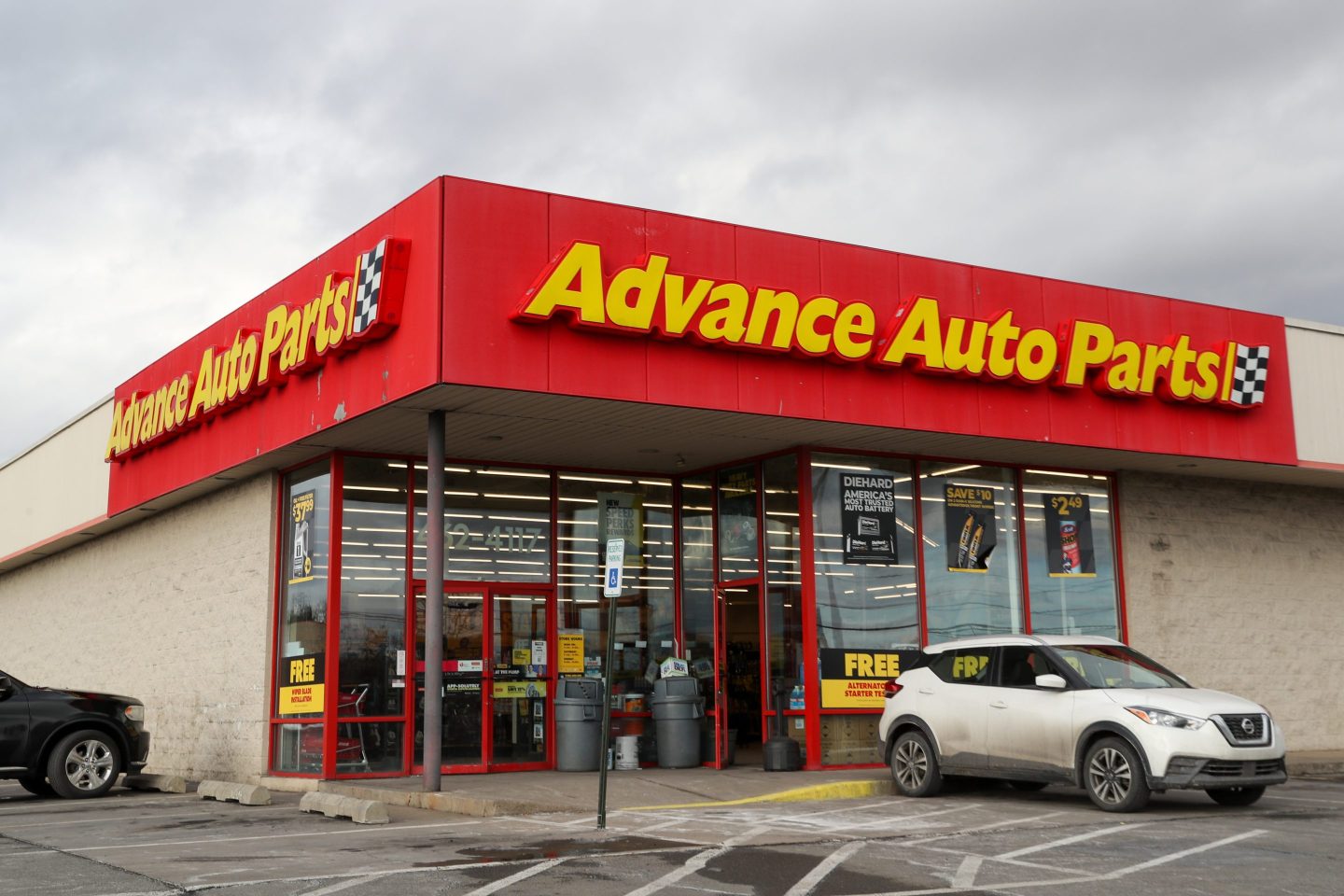
Walk into an Advance Auto Parts—or hop on their app—and it’s like a candy store for car nuts. They’ve got over 25,000 stock-keeping units (SKUs) in a typical store, meaning if your truck needs a new alternator or your sedan wants fresh wipers, they’ve likely got it waiting. But they’re not one-size-fits-all; they cater to pros who install for a living and weekend tinkerers who YouTube their repairs.
Let’s break down the big categories. First up, engine essentials: Batteries that crank in the dead of winter (they’ll even test yours for free), motor oil from synthetic blends to old-school conventional, and filters for air, fuel, and oil to keep things clean and efficient. Additives? They’ve got ’em—stuff to clean injectors or quiet noisy lifters. Brakes are a bestseller: Pads, rotors, calipers, and drums from trusted names like Wagner or their house brand, DieHard (yep, the same one powering your smoke alarms).
Suspension and steering? Shocks, struts, ball joints, and tie rods to smooth out those pothole-riddled roads. Exhaust systems cover everything from mufflers to catalytic converters, helping you pass emissions without the headache. Cooling and heating parts like radiators, thermostats, and heaters keep you from boiling over in summer traffic or freezing in a blizzard.
Lighting and electricals are clutch—headlights, taillights, bulbs, and wiring kits. Then there’s body and accessories: Wipers, floor mats, car covers, and even performance upgrades like cold air intakes for that extra growl. Tools? Oh man, they stock loaner programs so you don’t buy a $50 torque wrench for one job. Think socket sets, jacks, diagnostic scanners, and grease guns.
Don’t forget fluids: Transmission, brake, power steering—you name it, they’ve got the jugs. And for the eco-conscious, recycling bins for old oil, batteries, and antifreeze right in most stores. Services? Free stuff like battery checks, loaner tools, and engine light scans. Some spots offer pickup and delivery, especially handy if you’re laid up with a bad back.
What sets them apart is the brands: National lines like STP and Rain-X mix with premiums from Bosch, Moog, and Monroe. Prices? Competitive, with sales like 15% off $35 orders or 20% on $100 buys using codes like FALLFIX (check current promos in-store). Loyalty? Speed Perks rewards points for every buck spent, redeemable for discounts. It’s like a coffee shop punch card, but for brake fluid.
Where to Find Them: Stores, Online, and That Handy Locator
As of mid-2025, advance auto boasts about 4,285 company-owned stores across the U.S., plus spots in Canada, Puerto Rico, and the U.S. Virgin Islands. That’s down a bit from peak years due to some strategic pruning, but it means each location is stocked smarter. They’ve got a massive network of distribution centers—think hub-and-spoke setups where big “market hubs” (those mega-stores with 75,000+ SKUs) feed smaller ones for same-day delivery.
Geographically? They’re everywhere east of the Rockies, with heavy footprints in the South (Florida, Texas, Georgia) and Midwest (Ohio, Illinois). California? Tough break—all stores there shuttered in early 2025 as part of a big reset. Canada gets love through Carquest independents, about 881 of ’em total, stretching into Mexico and the Caribbean.
Finding one? Their store locator is idiot-proof: Punch in your zip on their site or app, and it spits out addresses, hours, and even manager contacts. Most open early (7 a.m.) for pros and close at 9 p.m., but holidays like Thanksgiving might see two-day shutdowns for staff recharge—fair play, right? Online? Seamless. Search by year/make/model, read reviews from real users, and opt for in-store pickup to skip shipping fees. Pro tip: Call ahead for oddball parts; staff know their stuff.
The Business Side: Leadership, Money Talk, and Big Moves
Running a beast like Advance takes grit. At the helm is Shane O’Kelly, CEO since 2023, a supply chain wizard who’s steered them through choppy waters. He’s got a team of vets: CFO Jeff Shepherd crunching numbers, and ops leads like Rick Bramford overseeing those market hubs. Board? Heavy hitters from retail and finance, keeping things shareholder-friendly.
Financially, 2025’s been a mixed bag. Q1 revenue held steady around $2.1 billion, reaffirming full-year guidance despite inflation bites. Trailing 12 months? $8.74 billion, with stock hovering at $59-ish per share (market cap $3.56B). Dividends? Steady payers, like the recent quarterly drop that had investors smiling. But challenges: A 2024 data breach exposed customer info (addresses, etc.), leading to notifications and beefed-up security. Restructuring hit hard—closing 523 corporate stores, 204 independents, and four DCs for $350-750 million in costs. Why? To cut fat, focus on high performers, and invest in e-commerce.
Bright spots? They’re opening 30 new stores this year (Florida, Illinois, Maryland, Ohio, Virginia, Wisconsin already underway), aiming for 100+ by 2027, including 60 mega-hubs. Partnerships with Worldpac boost import parts, and sustainability? Big push—recycling programs diverted tons of waste, and they’re eyeing electric vehicle (EV) components as hybrids surge.
Careers? If you’re handy, they’ve got openings from counter clerks to truck drivers. Entry-level pays decent (around $15-20/hour), with benefits like 401(k) matches and tool discounts. Culture? Team-oriented, with training academies to level up skills.
Recent Buzz: Wins, Woes, and What’s Next
2025 kicked off rocky with those closures—over 700 spots gone, including all in the Golden State. Customers griped about lost convenience, and shares dipped. But by March, the tide turned: Six new stores launched in Florida, New Jersey, Tennessee, and Virginia. Q2 prelims showed core sales up 1.2%, thanks to better inventory turns. Earnings calls buzzed with optimism—O’Kelly touting “transformation complete,” eyes on EV batteries and ADAS (those fancy driver aids).
On the flip side, a viral story about a guy getting the wrong starter (costing hundreds in labor) sparked debates on staff training. And that Thanksgiving shutdown? Some service bays go dark for two days, giving techs a breather amid burnout. Social chatter? Memes about “chicken salad croissants” (don’t ask) mix with praise for recycling bins and price matches against rivals like AutoZone.
Looking ahead? Advance is doubling down on pros—faster delivery, bulk pricing—and DIY with video tutorials. With small caps rebounding, analysts eye AAP as undervalued. Geopolitical stuff like tariffs? They’re hedging with domestic sourcing.
Wrapping It Up: Why Advance Still Rules the Road
At the end of the day, Advance Auto Parts isn’t perfect—no company is after 93 years. But it’s reliable, like that old pickup that just won’t quit. From Taubman’s Depression-era hustle to today’s hub network, they’ve kept America driving. Next time your ride throws a fit, swing by. Chat up the counter guy, grab a loaner tool, and remember: Fixing your own stuff isn’t just saving cash; it’s that satisfying crack of a bolt turning true.